 Vote Write Call Make Your Voice Heard Now!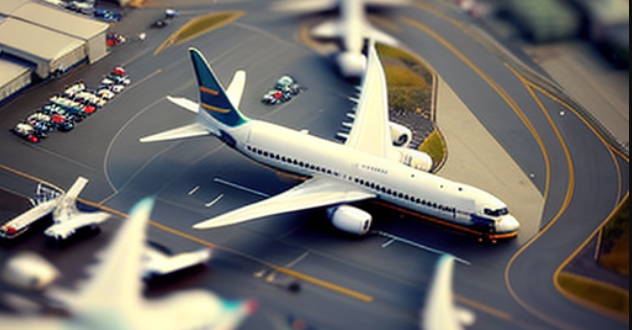
Related Articles



Seattle’s History of Infrastructure Blunders and the Latest $1 Billion Airport Terminal Failure
Introduction:
Seattle is a city known for its stunning natural surroundings its coffee culture and its thriving tech industry. However, the city has also gained a reputation for its history of infrastructure blunders. From freeway ramps that don’t line up with the freeway to floating bridges that don’t float Seattle has had its fair share of construction mishaps. In this article, we will focus on Seattle’s latest infrastructure failure: the new $1 billion airport terminal that was designed to accommodate long-haul planes but cannot due to its narrow gates.
The Problem:
The new airport terminal was designed to handle long-haul planes such as the Boeing 777 and the Airbus A350. However, it has been discovered that the terminal’s gates are not wide enough to accommodate the plane’s wingspan. This means that the planes cannot park at the gates which is a major issue for the airport. Unfortunately, this is not the first time Seattle has had an infrastructure blunder.
Seattle’s History of Infrastructure Blunders:
Seattle has had its share of infrastructure mishaps. In 1990 the city built a floating bridge that was supposed to float on pontoons but instead sank during a storm. Again, the floating bridge had to be rebuilt because of poor design and cracks in the newly built section. The bridge had to be rebuilt costing the taxpayers millions of dollars. Seattle built freeway ramps that did not line up with the freeway causing significant traffic problems. In 2013 the city purchased a new type of train that was supposed to be faster and more efficient than the existing trains. However, the new trains were too wide for the tracks resulting in significant delays and repair costs. Nobody checked. It’s only your tax money.
The Consequences:
The inability to accommodate long-haul planes at the new terminal has significant consequences for Seattle’s economy. Long-haul flights are essential for the city’s businesses as they allow them to connect with other parts of the world. Without these flights, businesses in Seattle will find it challenging to grow and expand globally. Furthermore, the lack of long-haul flights will make Seattle less attractive to international tourists which will have an adverse effect on the local tourism industry.
Possible Solutions:
There are several possible solutions to the problem. One option is to modify the gates to accommodate the planes’ wingspan. This could involve widening the gates or reconfiguring the layout of the terminal. Another option is to use different types of planes that have smaller wingspans. However, this would require airlines to change their fleets which could be costly. Additionally the airport could build a separate terminal specifically for long-haul planes but this would also be an expensive solution.
Seattle Has Made the Biggest Blunder in It’s History
Seattle’s new $1 billion airport terminal was designed to handle long haul planes but it has been discovered that the terminal’s gates are not wide enough to accommodate long haul plane’s wingspan. This is a significant problem for the airport as long-haul flights are essential for the city’s economy. Unfortunately, this is not the first time Seattle has had an infrastructure blunder from the sinking floating bridge to the ill-fitting trains. There are several possible solutions to the problem including modifying the gates using different types of planes or building a separate terminal.
Regardless of the solution, it is essential that the issue is resolved as soon as possible to avoid any further disruption to Seattle’s economy and to ensure that the city remains a hub for international business and tourism. Seattle’s track record with poor leadership and lax view of tax dollars can once again be seen in this billion dollar blunder.